Benefits of GMOs

How genetic modification improves agriculture and nutrition

Increased Crop Yield

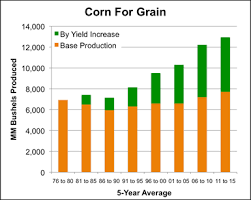
GMO crops are designed to grow more efficiently, resist diseases, and tolerate harsh conditions, which leads to higher agricultural productivity. This is especially important in regions facing food insecurity or limited farming resources.

High-yield GMO crops in a field

Pest and Disease Resistance

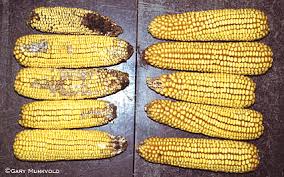
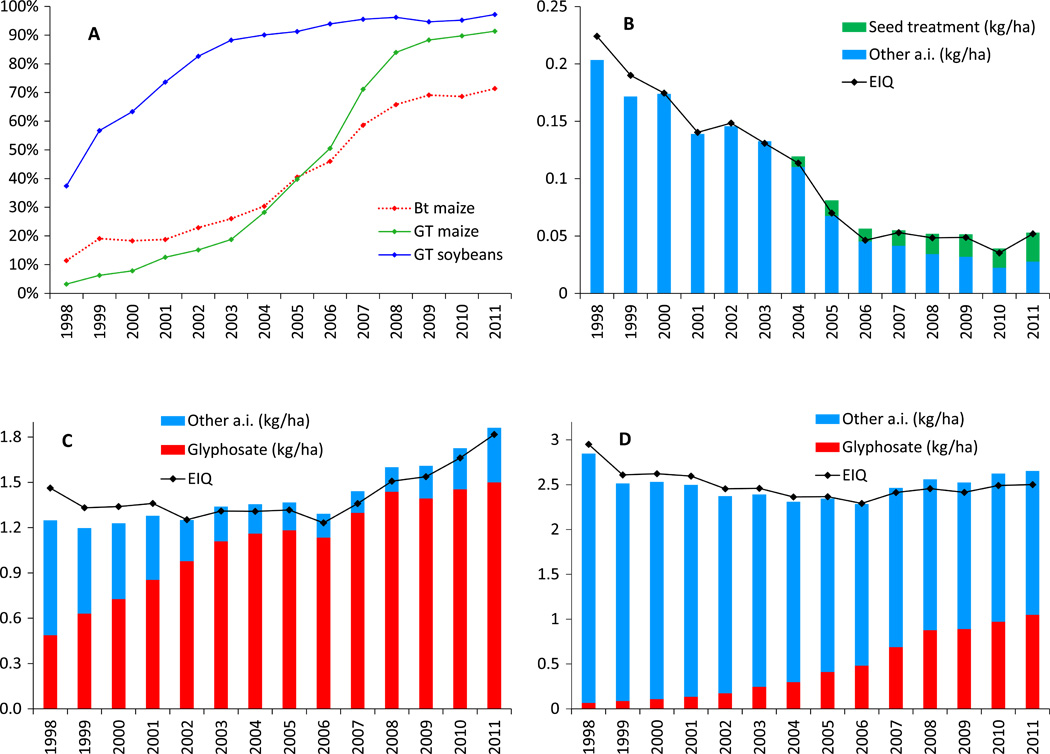
Many GMOs have built-in resistance to harmful pests and viruses. For example, Bt corn produces a natural insecticide that targets crop-damaging insects, reducing the need for chemical pesticides and decreasing crop loss.

Healthy GMO plants resisting pests

Environmental Benefits

GMOs can reduce agriculture's environmental footprint by requiring fewer pesticides, conserving water through drought-resistant traits, and decreasing soil erosion via no-till farming techniques. These improvements promote more sustainable farming practices.

Sustainable GMO farming practices

Nutritional Benefits

Genetically Modified Organisms (GMOs) can offer significant nutritional benefits by enhancing the nutrient content of crops. For example, biofortified crops like Golden Rice are enriched with vitamin A, helping to combat vitamin A deficiency in regions where this is a common health issue. Additionally, GMOs can be engineered to contain higher levels of essential nutrients such as iron, zinc, and protein, making them more nutritious and beneficial for populations with limited access to diverse diets.