GMO Regulations & Labeling

Understanding how genetically modified foods are regulated worldwide

Overview of Global Regulations

GMO regulation varies worldwide. Here's how different countries approach GMO regulation:

  • United States: Regulated by the FDA, USDA, and EPA.
  • European Union: Very strict, with few GMOs approved and mandatory labeling.
  • Canada: Assessed case-by-case for health and environmental safety.
  • Brazil & Argentina: Major adopters of GMOs with active regulatory systems.
  • India: Limited approval for GMOs; Bt cotton is widely used.
  • China: Allows some GMO imports and domestic use, primarily for animal feed.
Labeling Laws in the U.S.

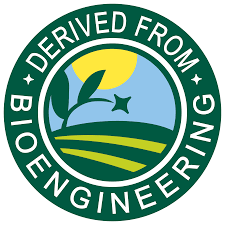
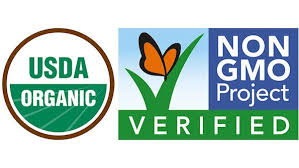
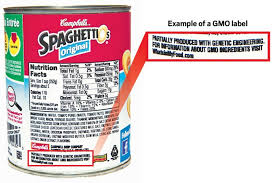
In the U.S., the National Bioengineered Food Disclosure Standard (2022) mandates that foods containing detectable genetically modified material must be labeled. Products can be labeled via the symbols or QR codes. Meanwhile, "Non-GMO Project Verified" labels are used voluntarily by producers who avoid GMOs.

Effects of Labeling

Labeling provides transparency, allowing consumers to make informed choices about the food they buy. It also influences market trends, sometimes encouraging companies to reformulate products. However, critics argue that some labeling may cause unnecessary fear or confusion, especially when based on marketing rather than science.

Standard GMO labeling symbol Example of GMO food product label Non-GMO Project Verified label